
Payroll Fraud and Internal Controls: Simple Safeguards for Small Businesses in 2026

APRIL 17, 2026
Payroll relies on trust. Employees trust that they will be paid accurately and on time, and business owners trust that payroll funds are handled correctly behind the scenes. In 2026, that trust is still essential, but trust alone is not a control. As payroll systems become more digital and access expands to support remote work and flexible schedules, small gaps in oversight can quietly turn into financial risk.
Payroll fraud often feels like something that happens elsewhere; at larger companies with complex systems or headline-making scandals. In reality, smaller businesses are often targeted precisely because processes are more informal, and one or two trusted people may handle everything. Industry studies have shown that payroll fraud affects a significant portion of small businesses, with losses that can reach tens of thousands of dollars per incident, and schemes often continue for many months before detection. Just as often, the issue is not intentional fraud at all, but preventable errors that slip through without review.
The good news is that protecting payroll does not require a dedicated audit department or a culture of suspicion. A handful of thoughtful internal controls, applied consistently, can dramatically reduce both fraud and error while keeping payroll efficient and employee friendly.
What Payroll Fraud Really Looks Like in 2026
Payroll fraud includes any scheme that steals money through the payroll process. In small businesses, this often shows up in subtle ways: inflated hours, unauthorized pay rate changes, “ghost” employees who should not be on the payroll, or direct deposits quietly redirected to the wrong account. Some schemes are opportunistic, such as padding timesheets, while others are more deliberate, involving falsified records or misuse of system access.
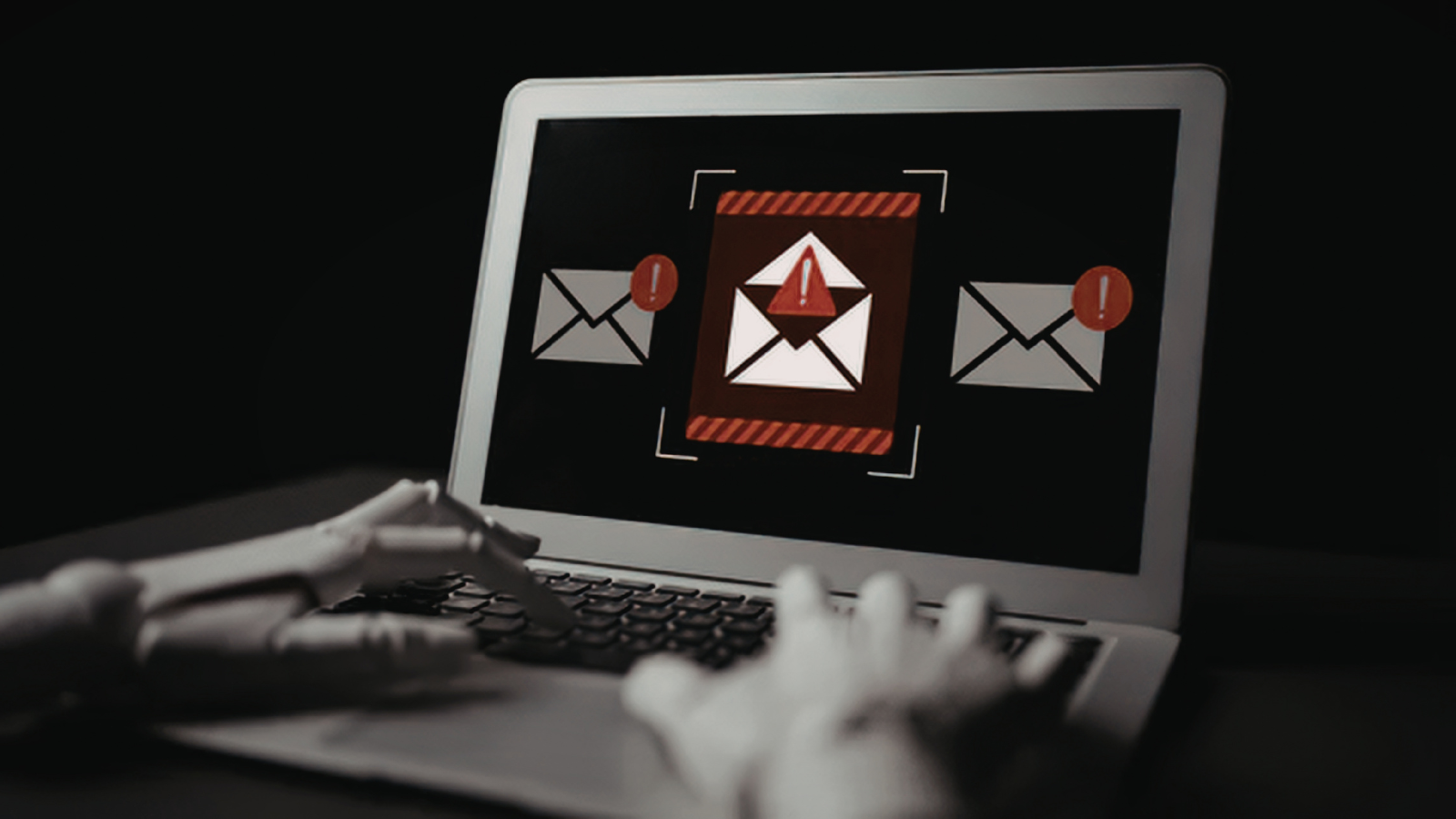
In 2026, cyber-enabled payroll fraud is also on the rise. Email and portal takeovers, fake direct deposit change requests, and credential theft blend external attacks with internal processes, making it harder to spot problems without clear safeguards. When the right controls are in place, however, these schemes become much harder to execute and much easier to detect early.
Why Small Businesses Are Especially Vulnerable
Smaller organizations often operate on close relationships and trust, which is a strength in many ways. From a payroll perspective, though, it can create blind spots. When one person is responsible for onboarding employees, changing pay rates, processing payroll, and reconciling bank accounts, there may be no independent review. In that environment, honest mistakes can go unnoticed, and intentional misuse has room to grow.
Limited resources also mean processes are less formal. Written procedures for approving direct deposit changes, adding employees, or reviewing payroll activity may not exist because “it has always worked fine.” Recognizing this vulnerability is not a criticism of leadership; it is simply the first step toward building stronger, more resilient systems.
Internal Controls That Make a Real Difference
Internal controls are simply checks and balances that reduce risk. In payroll, one of the most effective controls is separating duties so that no single person controls the entire process from start to finish. Even in a small team, it is often possible to have one person enter data, another review or approve changes, and someone else reconcile totals or review reports.
Another high-impact safeguard is dual approval for sensitive changes. Adding or removing employees, adjusting pay rates, and updating direct deposit information are all actions that benefit from a second set of eyes. Verifying direct deposit changes with employees through a trusted channel before processing them is a particularly effective defense against payroll diversion fraud.

Using Technology to Reduce Risk and Increase Visibility
Modern payroll systems include tools designed specifically to prevent and detect fraud. Audit trails create a clear record of who made changes and when, making unauthorized activity easier to trace. Automated alerts and exception reports can flag unusual activity, such as duplicate bank accounts, unexpected pay increases, payments to terminated employees, or abnormal overtime patterns.
Cybersecurity features matter just as much. Strong passwords, multi-factor authentication, and role-based access limit who can view or change sensitive payroll data. Regularly reviewing system access and promptly removing access when roles change or employees leave closes common entry points for fraud.
Building Review Habits Into Your Routine
Controls work best when they are part of your regular rhythm, not a one-time effort. Simple monthly or quarterly reviews can be surprisingly effective. Reviewing your active employee list to confirm that everyone on payroll still works for you, spot-checking pay rates and direct deposits, and comparing payroll totals to bank withdrawals all help reinforce accuracy.
These habits do not require extensive time, but they send a clear message that payroll activity is visible and reviewed. When oversight is routine, the window of opportunity for fraud narrows significantly, and errors are caught sooner.
Culture, Communication, and Accountability
Strong controls are most effective when paired with a culture of transparency. Employees should understand what payroll fraud looks like, why controls exist, and how to raise concerns if something does not seem right. Short, practical training and clear reporting channels encourage people to speak up early.
Framing controls as protection rather than suspicion helps maintain trust. When employees know payroll processes exist to ensure everyone is paid correctly and fairly, controls feel supportive rather than punitive.

How Payroll Vault Helps Protect Payroll Integrity
For many owners, the challenge is not recognizing payroll risk, but knowing where to start. Payroll Vault helps small businesses implement secure, well-controlled payroll environments without unnecessary complexity. We support role-based access, approval workflows, audit trails, and regular reporting that increase visibility and reduce reliance on a single individual.
Just as importantly, we act as an extra layer of oversight. When something looks unusual - whether it is a payroll spike, recurring adjustment, or unexpected change - we help investigate early. That added structure allows owners to focus on running their business with greater confidence in the systems that support their team.
If your payroll process relies heavily on trust and habit - or if one person controls most of the workflow – April is a smart time to take a closer look. Connect with Payroll Vault to review your payroll controls, identify potential gaps, and put simple, effective safeguards in place to protect every paycheck in 2026 and beyond. Scroll to the bottom of this page to Get a Quote!
Q&A: Payroll Fraud and Internal Controls
What does payroll fraud look like in a small business?
It can include inflated hours, ghost employees, unauthorized pay changes, or diverted direct deposits. Often, it is carried out by someone with legitimate system access.
Are small businesses really at higher risk?
Yes. Fewer staff, overlapping duties, and informal processes create opportunities for fraud and errors to go undetected longer.
What are a few controls I can implement quickly?
Separating payroll preparation from approval, requiring dual authorization for sensitive changes, and verifying direct deposit updates directly with employees are strong starting points.
How does technology help prevent payroll fraud?
Audit trails, automated alerts, role-based access, and strong authentication make it harder to misuse payroll systems and easier to detect unusual activity early.
How does Payroll Vault help beyond processing payroll?
Payroll Vault provides secure systems, structured workflows, and advisory support to help businesses reduce risk, improve accuracy, and maintain confidence in their payroll process.
